Wondering if Pleasant Hill feels more like a quiet suburb, a commuter-friendly hub, or something in between? If you are thinking about moving here, that is a fair question, because Pleasant Hill offers a mix of residential neighborhoods, central shopping and dining areas, transit access, and park space in a relatively compact city. This guide will help you understand what daily life is like in Pleasant Hill, what kinds of housing you will find, and which local details matter most before you make a move. Let’s dive in.
Pleasant Hill at a glance
Pleasant Hill is a compact East Bay city in Contra Costa County with an estimated population of 34,169 across just 7.08 square miles, according to the U.S. Census Bureau. That smaller footprint gives the city a more contained feel than some larger suburban communities nearby.
It is best described as mostly suburban with a few more active, walkable, or transit-oriented pockets. City planning materials note that Pleasant Hill grew largely as a series of subdivisions and functioned as a bedroom community, while the city’s 2040 planning work reflects a strong interest in keeping its established charm and character.
For many buyers, that balance is the appeal. You get a residential setting with everyday convenience, plus some areas that feel a little more connected and active without the city feeling overly dense.
The overall feel of living here
If you live in Pleasant Hill, your day-to-day experience will likely feel practical, comfortable, and community-oriented. Outreach tied to the city’s General Plan described Pleasant Hill as family-oriented, safe, and welcoming, which lines up with how many people think about the area.
You will also notice that Pleasant Hill is not one-note. Some parts feel quiet and tucked into established residential streets, while others are shaped by shopping corridors, restaurants, parks, or transit connections.
That variety matters when you are choosing where to live. Two homes in the same city can offer very different routines depending on how close you want to be to Downtown, BART, trails, or major roads.
Housing in Pleasant Hill
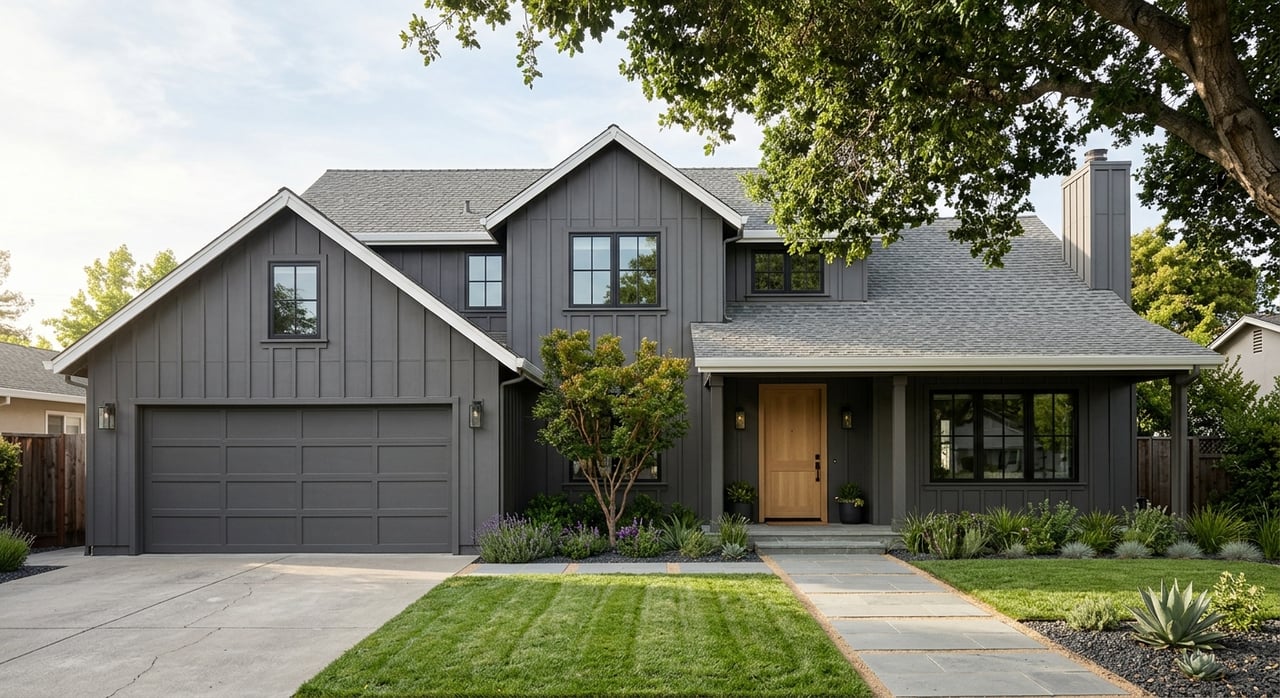
Pleasant Hill still leans heavily toward single-family living. The city’s Housing Element reports that in 2020, 59.9% of homes were single-family detached, with another 10.9% single-family attached, 7.0% small multifamily, 21.6% medium or large multifamily, and 0.6% mobile homes, according to the Pleasant Hill Housing Element.
That breakdown helps explain why the city often feels low-rise and residential. At the same time, you are not limited to one type of home, especially if you are open to attached housing or want to live closer to transit and commercial areas.
From a cost perspective, the Census reports a median owner-occupied home value of $1,077,100 and a median gross rent of $2,533. Those numbers give useful context if you are comparing Pleasant Hill with other East Bay locations.
Different parts of Pleasant Hill feel different
Pleasant Hill is small enough to feel connected, but its pockets still have distinct personalities. Understanding those differences can help you narrow your home search based on lifestyle, not just price or square footage.
Downtown Pleasant Hill
Downtown Pleasant Hill is the city’s mixed-use center. The 2040 General Plan describes it as the heart of the community, with restaurants, retail, entertainment, City Hall, and nearby Pleasant Hill Park.
This is one of the places where Pleasant Hill feels most walkable and active. If you like having dining, errands, and community spaces closer together, this area may feel more connected than a purely residential subdivision.
Pleasant Hill/Contra Costa Centre BART area
The area around the Pleasant Hill/Contra Costa Centre BART station is the city’s most transit-oriented pocket. BART describes it as one of the system’s most easily accessed stations, with connections to buses, Highway 680, and the Iron Horse Trail.
If your routine includes commuting or you want easier access to regional transit, this area may stand out. It is also one of the places where apartment and mixed-use living is more likely to be part of the local feel.
Gregory Lane and Contra Costa Boulevard
The city’s planning documents describe Gregory Lane and Contra Costa Boulevard as central corridors with a mix of uses. Along these areas, you will find combinations of commercial, office, institutional, multifamily, and single-family uses, with Contra Costa Boulevard being especially retail-oriented, based on the city policy document.
In everyday terms, these parts of Pleasant Hill tend to feel more convenience-driven and car-oriented. That can be a plus if quick access to shopping, services, and major roads is high on your list.
Quieter park-adjacent areas
Some of Pleasant Hill’s quieter pockets are closely tied to parks and open space. For example, Paso Nogal Park includes open space, a dog exercise area, and about 63 acres of scenic hiking trails.
If you want a home base that feels more recreation-oriented, these areas may be especially appealing. Brookwood Park and Pleasant Hill Park also add to the city’s everyday outdoor options.
Parks and recreation are a real lifestyle feature
In Pleasant Hill, parks are not just background amenities. The Pleasant Hill Recreation & Park District manages parks, facilities, open space, recreation programs, and events, serving more than 40,000 people and maintaining 269 acres of parkland.
That level of recreation infrastructure shows up in daily life. Pleasant Hill Park, for example, is a 16.5-acre central park with playgrounds, bocce courts, community gardens, a pool, a sprayground, and picnic areas.
The Community Center also hosts local gatherings such as weddings, meetings, fundraisers, and other events. If you value having public spaces that people actually use, Pleasant Hill has a strong case.
Community events add to the local feel
Pleasant Hill also has a steady rhythm of local programming. The recreation district’s event calendar includes recurring activities like Pop-Up Playdates, inclusive rec dances, the World Fusion Festival, and the Haunted Trail.
That kind of event schedule helps create a neighborhood feel throughout the year. Instead of relying on just one or two major annual events, the city offers smaller community touchpoints on a more regular basis.
For many residents, that can make it easier to feel connected. Whether you are new to the area or have lived nearby for years, those everyday events can be part of what makes a place feel lived-in rather than just convenient.
Commuting from Pleasant Hill
Pleasant Hill works well for many people who commute within the East Bay or beyond. The Census reports a mean travel time to work of 30.2 minutes, which fits the profile of a Bay Area suburb where many residents travel outside the city for work.
Transit is a major plus here, especially if you want alternatives to driving every day. The Pleasant Hill/Contra Costa Centre BART station connects with bus routes and sits near Highway 680 and the Iron Horse Trail, giving you multiple ways to move through the region.
That said, your commute experience will depend a lot on where in Pleasant Hill you live. A home near BART or a central corridor may support a very different routine than one in a quieter residential area.
What buyers with children should know about schools
Pleasant Hill is part of the Mount Diablo Unified School District feeder pattern system. One of the most important things to know is that school assignments can vary by neighborhood, so you should not assume every Pleasant Hill address follows the same path.
For example, the district shows different feeder patterns for areas such as Gregory Gardens, Fair Oaks, and Hidden Valley. It also notes that Sequoia Elementary and Sequoia Middle are district-wide schools.
Pleasant Hill has a clear school presence, including College Park High School, Pleasant Hill Middle School, and Sequoia Middle School. If school attendance is part of your home search, verifying the assigned schools for a specific address should be one of your first steps.
Who tends to like Pleasant Hill
Pleasant Hill may be a good fit if you want a suburban setting with some variety in how you live day to day. You might appreciate it if you want established residential areas, useful transit access, and parks that play a visible role in community life.
It can also appeal if you want options. Some buyers are looking for a detached home on a residential street, while others want easier access to BART, mixed-use areas, or lower-maintenance housing near central corridors.
The biggest key is matching your priorities to the right pocket of the city. In Pleasant Hill, location within the city can shape your experience almost as much as the city itself.
Final thoughts on living in Pleasant Hill
Living in Pleasant Hill often means getting a practical suburban lifestyle with a few welcome extras: a central downtown area, strong park access, regular community events, and useful regional transit. It is not trying to be the densest or busiest place in the East Bay, and for many buyers, that is exactly the point.
If you are considering a move, the details that matter most usually come down to housing type, commute patterns, park access, and address-specific school assignments. With the right guidance, you can narrow in on the part of Pleasant Hill that best fits how you want to live.
If you are exploring Pleasant Hill or comparing it with other East Bay communities, Bogosian & Co. Real Estate, Inc. can help you evaluate neighborhoods, home options, and the practical details that shape your move.
FAQs
What is the overall feel of living in Pleasant Hill?
- Pleasant Hill generally feels like a compact, mostly suburban East Bay city with residential neighborhoods, a few more walkable or transit-oriented pockets, and strong access to parks and community amenities.
What types of homes are common in Pleasant Hill?
- Pleasant Hill is still dominated by single-family detached homes, though you can also find attached homes and multifamily options, especially near transit and commercial corridors.
Is Pleasant Hill good for commuters?
- Pleasant Hill can work well for commuters because of access to the Pleasant Hill/Contra Costa Centre BART station, bus connections, Highway 680, and a reported mean travel time to work of 30.2 minutes.
What should buyers know about schools in Pleasant Hill?
- Buyers should know that school assignments in Pleasant Hill vary by address within Mount Diablo Unified School District, so it is important to verify attendance paths for any specific property.
Are parks and recreation a big part of life in Pleasant Hill?
- Yes. The Pleasant Hill Recreation & Park District maintains 269 acres of parkland and offers facilities, programs, and recurring events that play a meaningful role in daily community life.