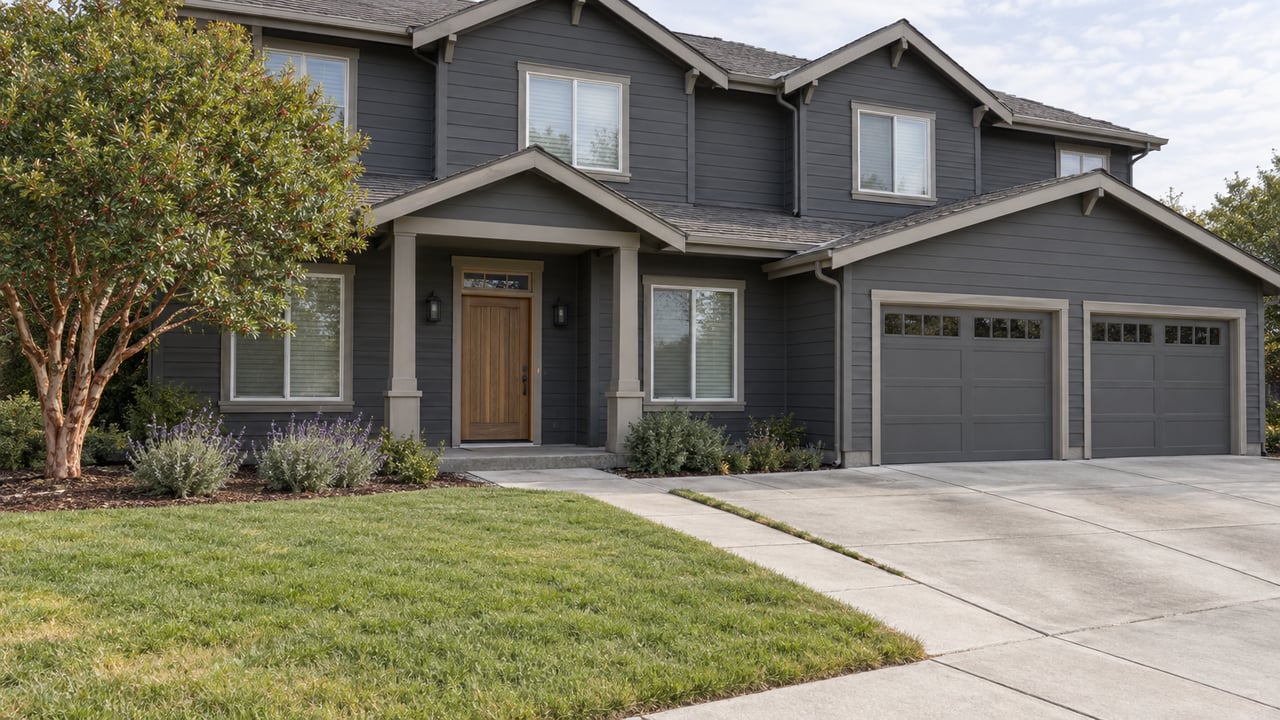
Trying to decide between a brand-new home and a resale in Dublin? You are not alone. In a market where prices can land anywhere from the low $1 millions to well above $2 million depending on the home and neighborhood, that choice can shape your monthly budget, your timeline, and your day-to-day lifestyle. This guide breaks down how new construction and resale compare in Dublin so you can make a more confident move. Let’s dive in.
Dublin Housing Options at a Glance
Dublin gives you something many East Bay buyers want but do not always find in one city: real choices. You can still find active new-home communities tied to larger growth plans, and you can also shop a broad resale market with different home styles, lot sizes, and HOA setups.
That matters because the right fit is not always about the newest finishes or the lowest list price. It is about how you want to live, how quickly you need to move, and how much flexibility you have with timing and monthly costs.
What New Construction Looks Like in Dublin
New construction is not just a small niche in Dublin. The city continues to guide growth through specific plans, including Eastern Dublin and Dublin Crossing, and residential projects remain in the pipeline. For you as a buyer, that means new construction can be a practical option rather than a rare opportunity.
Some of the current new-home choices include communities at Francis Ranch and Parkton at Dublin Centre. These offerings cover a fairly wide range, from attached or duet-style homes to larger detached luxury properties.
Current New-Home Price Range
One of the biggest reasons buyers compare new construction and resale so closely in Dublin is price overlap. Current starting prices for new homes show a wide spread:
- Jasmine starts at $1,127,777
- Parkton starts at $1,699,000
- Marigold starts at $1,725,000
- Azure starts at $2,495,000
- Orchid starts at $2,840,000
This range gives you options, but it also makes it important to compare more than just the purchase price. HOA dues, delivery timing, and upgrade decisions can all affect the real cost of ownership.
New Construction HOA Costs
If you are considering a new build, HOA costs deserve close attention. In Dublin’s current new-home communities, dues can vary quite a bit based on the product type and what the HOA covers.
Examples from current builder materials include:
- Parkton: $190 per month initially
- Jasmine: $703.50 initially, $402 at build-out
- Marigold: $544 initially, $127 at build-out
- Azure and Orchid: $345 initially, $111 at build-out
Some communities include items such as private street maintenance, exterior maintenance, common-area landscaping, walls, mailboxes, management fees, and in some cases condo fire insurance. For you, that means the monthly payment may reflect more than just amenities.
Parks and Community Features
A major draw of newer communities is the surrounding planning and shared spaces. The city reports that two new Francis Ranch parks are under construction, adding about 11 acres of parkland. Forest Park in Jordan Ranch includes a multi-use sports court, pollinator garden, nature playground, and reservable picnic area.
Dublin also has more than 24 neighborhood and community parks plus open-space areas. In Dublin Crossing, the city calls for a central park with access to the Iron Horse Regional Trail and links to BART. If you like the idea of newer infrastructure and planned amenities, this can be a strong advantage.
Builder Timelines and Deposit Rules
New construction often gives you a newer floor plan and the chance to choose a home before it is complete, but it usually requires more patience. Some homes in Parkton are listed for delivery in August, October, and November 2026, which shows how far out move-in timing can stretch.
Builder processes can also be stricter than a typical resale purchase. Buyers may need pre-qualification, a 3% reservation deposit may be due within four hours of securing a home, and contingent sales can be limited. If you need to sell first, or your move date is not flexible, this part of the process deserves extra planning.
What Resale Looks Like in Dublin
Resale homes remain a strong option if you want more immediate inventory and a wider mix of locations. Dublin’s resale market includes condos, townhomes, and single-family homes across multiple parts of the city, including areas like Dublin Ranch and West Dublin.
The citywide resale picture in spring 2026 places many homes in the low-to-mid $1 million range. That means resale can overlap with the lower end of new construction, especially if you are comparing attached housing or smaller detached homes.
Resale Pricing and Variety
In Dublin Ranch, the March 2026 median sale price was reported at $1.25 million, while citywide figures show similar pricing in the low-$1 million range depending on the source and methodology. That gives you a sense of where many resale opportunities sit.
West Dublin shows how much resale pricing can vary. Recent sales included homes at $1.35 million, $1.53 million, and $2.425 million, with different home sizes and configurations. That variety can be helpful if you want to compare trade-offs in square footage, lot size, or location.
Resale HOA Costs Can Be Lower or Absent
One of the clearest resale advantages is that HOA costs may be lower than some new communities, or absent entirely depending on the property. Recent examples in Dublin include condo and townhouse HOA dues around $358 to $387 per month, while at least some single-family resale homes have been marketed with no HOA.
That does not automatically make resale less expensive overall, but it can improve your monthly carrying costs. If HOA dues are a major concern, resale may give you more ways to shop around.
Faster Move-In Potential
With resale, you are buying a specific home you can inspect today. You can see the street, the layout, the natural light, and the condition before you commit. That can make decision-making feel more concrete.
Resale may also work better if you need a home sooner. Instead of waiting for a construction schedule to stay on track, you can often target a more immediate closing timeline.
New Construction vs Resale in Dublin
If you are weighing both options, the decision often comes down to lifestyle fit more than headline price. Here is a simple side-by-side comparison.
| Factor | New Construction | Resale |
|---|---|---|
| Price range | Starts around $1.1M and can rise above $2.8M | Often in the low-to-mid $1M range, with broad variation |
| Timeline | Builder-managed and often delayed into future delivery dates | Usually more immediate |
| HOA | Common and sometimes significant | Varies widely, including some no-HOA homes |
| Home condition | Brand new | May need cosmetic updates or repairs |
| Neighborhood feel | Often in planned communities with new parks and amenities | Broader range of established areas |
| Choice process | Builder release schedule and deposit rules | Shop available homes and compare directly |
Commute and Location Factors
Dublin offers strong transportation access whether you buy new or resale, but your exact location still matters. The area is served by both the Dublin/Pleasanton and West Dublin/Pleasanton BART stations, and downtown Dublin sits near I-580 and I-680.
Downtown Dublin is also evolving into a higher-density, mixed-use center near major commute routes and BART. Transit-oriented developments in that area continue to attract buyers who want convenient access across the Bay Area. If commuting is part of your decision, it is smart to compare not just the home itself, but the exact part of Dublin where you want to live.
How to Decide Which Fits You
New construction may be the better fit if you want a newer floor plan, planned parks and amenities, and you are comfortable with builder timelines, deposits, and HOA structures. It can be especially appealing if you like the idea of moving into a home with brand-new systems and little immediate maintenance.
Resale may be the better fit if you want more neighborhood variety, faster availability, and a stronger chance of finding a single-family home without an HOA. It can also suit you if you prefer to evaluate the exact home and surroundings before making a final decision.
A helpful rule of thumb is simple: choose new construction for newer design and planned community features, and choose resale for flexibility, variety, and potentially lower monthly carrying costs. The right answer depends on your timeline, budget, and how much certainty you need during the buying process.
When you are comparing homes in Dublin, it helps to have a local guide who can look beyond the glossy brochure or listing photos and help you evaluate the real trade-offs. If you want personalized advice on buying a new construction home or resale property in Dublin, connect with Bogosian & Co. Real Estate, Inc. for a free consultation.
FAQs
Should you buy new construction or resale in Dublin, CA?
- New construction may fit you better if you want newer layouts, planned amenities, and can handle a builder-managed timeline, while resale may fit better if you want more immediate options, more neighborhood variety, or a chance at a no-HOA single-family home.
What is the typical price range for homes in Dublin, CA?
- In spring 2026, Dublin resale pricing generally sits in the low-to-mid $1 million range, while current new construction starts around $1,127,777 and reaches above $2.8 million in some communities.
Are HOA fees common in Dublin new construction communities?
- Yes, HOA dues are common in current new-home communities in Dublin, and examples range from about $190 per month initially to more than $700 per month initially depending on the community and what is included.
Can you find no-HOA homes in Dublin resale neighborhoods?
- Yes, some resale single-family homes in Dublin have been marketed with no HOA, although condos and townhomes often still carry monthly dues.
Is downtown Dublin a good area to watch for newer housing options?
- Downtown Dublin is an active area to watch because the city describes it as a transforming mixed-use center near I-580, I-680, and the Dublin/Pleasanton BART station, with transit-oriented development continuing there.