Shopping for a starter home in Livermore can feel daunting when you see so many seven-figure prices. You want a smart first step into homeownership without overreaching, and you want clear guidance on where to look, how to finance, and how to compete. In this guide, you’ll learn what “starter” really means in Livermore, 2026 price bands to plan around, neighborhoods that often have entry options, financing and assistance programs, and offer strategies that work. Let’s dive in.
Livermore starter-home snapshot (Feb 2026)
As of February 2026, Livermore’s citywide median sale price is about $1,177,000. The market is very competitive, with many homes drawing multiple offers, sale-to-list ratios near parity, and median days on market in the 30s. Translation: you can win, but you need a clear budget, quick decision-making, and a strong preapproval. Pricing and tempo shift month to month, so plan around ranges and verify current listings before you write.
What a starter home looks like
Condos and townhomes
Most first-time buyers start with condos, stacked flats, or townhomes. Typical list prices often land from the mid $600,000s to the high $800,000s for many townhomes, with smaller condos and some downtown flats below that. Many Livermore HOAs range roughly $200 to $500 per month, which affects your monthly payment and loan ratios. Review HOA budgets, reserves, rules, and any planned assessments before you commit.
Older single-family homes
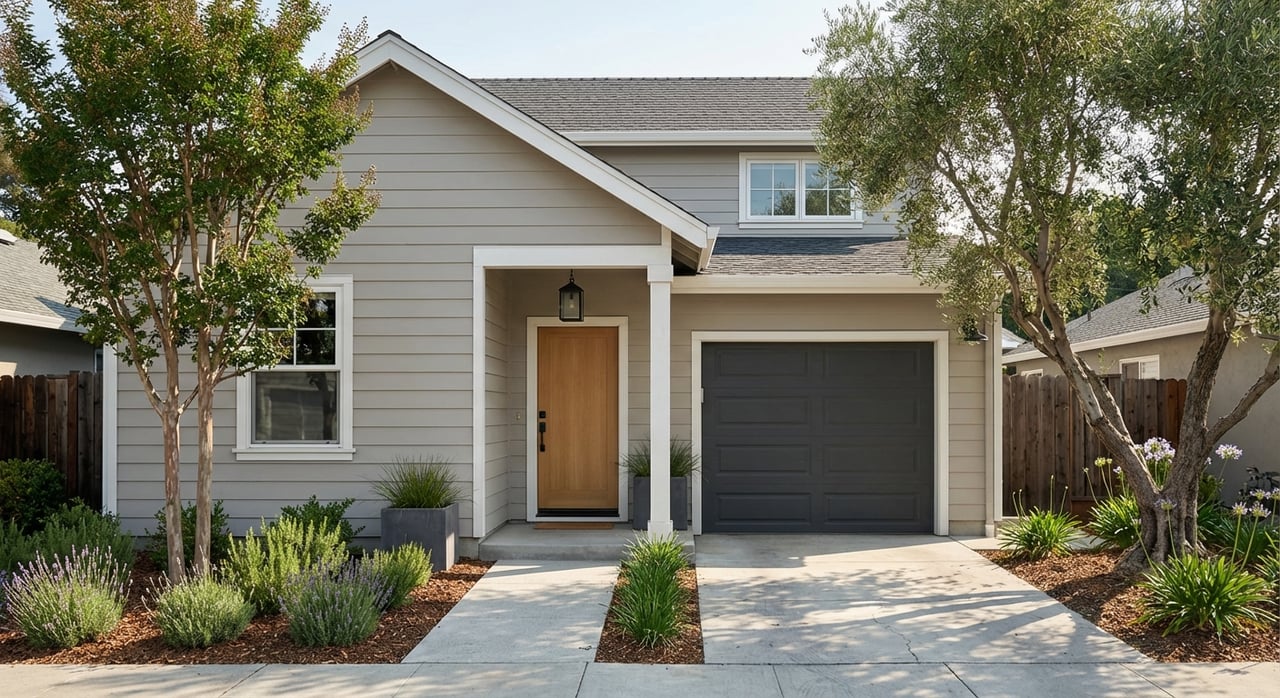
If you want a yard, look at smaller 2–3 bedroom homes built in the 1950s–1970s, especially in areas with more modest lots. These properties often trade under the city median and can be good candidates if you’re open to light updates over time. You’ll typically pay more than a condo but gain long-term control and fewer shared-cost variables.
New attached construction
Livermore’s specific-plan areas are adding stacked flats and townhomes, which is where many newer starter-friendly floor plans will appear. In recent years, new attached homes in Livermore have been advertised roughly from the high $700,000s up to around $1.1 million depending on size and product. Pricing and release timing vary by builder and phase, so keep an eye on new community announcements.
Where to look in Livermore
Downtown Livermore
If you prioritize walkability and lower maintenance, downtown condos and small-unit inventory often price below the citywide median. Expect smaller footprints and HOA dues, which can still pencil out if the lower price offsets the monthly fee. You can trade yard work for convenience and an easier commute to services.
Springtown and Northside
These areas include many single-story ranch and tract homes with modest lots. Smaller detached homes here can be more attainable than in premium pockets. Many buyers pick these neighborhoods to get into a single-family home and plan improvements over time.
Isabel and growth areas
The Isabel corridor is planned for transit-oriented development with stacked flats and townhomes. Valley Link rail is in environmental review and planning, and the corridor’s growth should continue to bring new attached options. If you want a newer home with efficient layouts, track builder releases around this area.
Other pockets to compare
Summerset, Shadowbrook, and parts of the 94550 and 94551 ZIP codes include mid-range options. Ruby Hill and farther south are typically outside starter budgets. Work block by block with your agent to compare recent sales and active listings against your budget and must-haves.
Build a realistic budget
Start with your comfort number and work backward. Include principal and interest, taxes, HOA if applicable, homeowners and optional earthquake insurance, and closing costs. Rates change weekly, and small shifts meaningfully move your monthly payment, so base your planning on a current snapshot.
Key budget items to include:
- Purchase price and down payment. At around 6% for a 30-year fixed in mid-February 2026, monthly principal and interest will be higher than during 2021–2022. See a current snapshot of mortgage rates and trends in early February 2026 at this business report: mortgage rates update.
- Property taxes. Alameda County’s base levy is 1% of assessed value plus local bonds and assessments. As a planning figure, budget about 1.1% to 1.2% of value, then verify the parcel’s exact tax rate area using the county’s tax information portal.
- HOA dues for condos/townhomes. Many local HOAs run $200 to $500 per month. Dues count toward your debt-to-income ratio and can affect loan eligibility.
- Earthquake insurance. A California Earthquake Authority policy is optional but common; premiums vary by home value and deductible. Review deductible structures and costs with the CEA homeowners overview.
- Closing costs and reserves. Budget 2% to 5% of price for lender, title, escrow, and prepaid items, plus any program-specific fees.
Sample monthly worksheet (Feb 2026)
- Price: $750,000 townhome, 5% down (loan about $712,500)
- Interest rate: ~6% 30-year fixed as of mid-Feb 2026 (example only; check current quotes)
- Estimated principal and interest: about $4,275 per month
- Estimated property tax: about $718 per month (1.15% planning figure)
- HOA dues: $350 per month (varies by community)
- Homeowners insurance: $100 per month (estimate; varies)
- Optional earthquake insurance: $60 per month (varies widely)
Estimated total: roughly $5,500 to $5,600 per month before mortgage insurance, utilities, and maintenance. Your exact numbers will depend on your rate, credit, HOA, insurance choices, and any assistance you use.
Financing and assistance options
Your loan and assistance stack can meaningfully improve affordability. Many first-time buyers use conventional low-down options, FHA, or a conventional program paired with state or county down payment assistance.
- Conventional with HomeReady. Fannie Mae’s HomeReady offers 3% down for eligible buyers and can pair with approved assistance. Review eligibility and education requirements on the HomeReady page.
- CalHFA programs. CalHFA’s MyHome deferred loan and other options can help with down payment and closing costs. The Dream For All shared appreciation program opens in limited windows. Check current terms and availability on the CalHFA programs page.
- GSFA Platinum. A statewide program that provides down payment assistance through participating lenders. See available options on the GSFA Platinum overview.
- Alameda County AC Boost. A county down payment and shared appreciation loan program that runs on funding rounds and lotteries. See status and eligibility at AC Boost.
- Alameda County MCC. A Mortgage Credit Certificate can reduce federal tax liability for eligible buyers, which may increase qualifying power. Learn more on the county’s MCC FAQ page.
Stacking matters. Many buyers combine a CalHFA or GSFA award with a conventional first mortgage, but rules, income limits, and timelines vary by program and lender. Work with a participating local lender who understands how to stack these products correctly.
Quick prep checklist:
- Get a written preapproval from a lender that participates in the exact program you plan to use.
- Have your lender model scenarios at current rates, like 3% vs. 5% down, and with or without assistance.
- Confirm any required education classes and how long your program reservation remains valid, so you can close on time after you get into contract.
Compete and win offers
- Lead with a strong, program-aware preapproval. Make it clear to the seller you can close on the timeline required, even if you are using assistance.
- Target the right pockets. If budget is tight, focus on downtown condos and older single-family areas where smaller footprints trade below the city median.
- Write a smart offer. In a multiple-offer setting, consider stronger earnest money, a short but realistic timeline, and appraisal gap coverage if your budget allows. Be cautious about waiving contingencies; understand the risk before removing any protections.
- Do HOA due diligence. For condos and townhomes, review budgets, reserves, and pending assessments. Condo approval can affect FHA and some conventional financing.
Commute and future transit
Commute time is part of the value equation. The mean travel time to work from Livermore is about 30.1 minutes based on recent U.S. Census estimates. You can use that as a baseline as you weigh neighborhood and transit tradeoffs. See the local figure in the Census QuickFacts.
Transit is evolving. Valley Link rail is moving through planning and environmental review, with proposed stations near Isabel and South Front Road. New rail access typically influences neighborhood demand and can bring more transit-oriented housing choices. Track project updates at the Valley Link CEQA and planning page.
Your next step
You can find a great starter home in Livermore with the right plan: target the right pockets, build a realistic budget, and pair a competitive offer with the financing that fits your situation. If you want a local, hands-on strategy tailored to your needs, let’s talk. Schedule a Free Consultation with Bogosian & Co. Real Estate, Inc. and get a step-by-step plan to buy with confidence.
FAQs
What counts as a “starter home” in Livermore in 2026?
- Most entry options are condos, stacked flats, and townhomes, with smaller 2–3 bedroom older single-family homes also possible in select neighborhoods below the city’s median price.
Where should I look for more affordable options in Livermore?
- Downtown often has lower-priced condos and flats, while Springtown and parts of the Northside can offer smaller detached homes that trade under the citywide median.
How much should I budget for property taxes in Alameda County?
- Plan for roughly 1.1% to 1.2% of your purchase price annually, then verify the exact tax rate area for the specific parcel with the county.
Can I combine down payment assistance with a conventional loan?
- Often yes. Many buyers stack CalHFA or GSFA assistance with a conventional first mortgage, but eligibility, income limits, and lender participation rules apply.
What are typical HOA dues for Livermore condos or townhomes?
- Many local HOAs run about $200 to $500 per month. Always review the HOA budget, reserves, rules, and any planned assessments before you write an offer.
Will Valley Link change my commute or housing options?
- Valley Link rail is in planning and environmental review. When stations open, expect improved transit choices near Isabel and South Front Road and continued demand for nearby attached housing options.